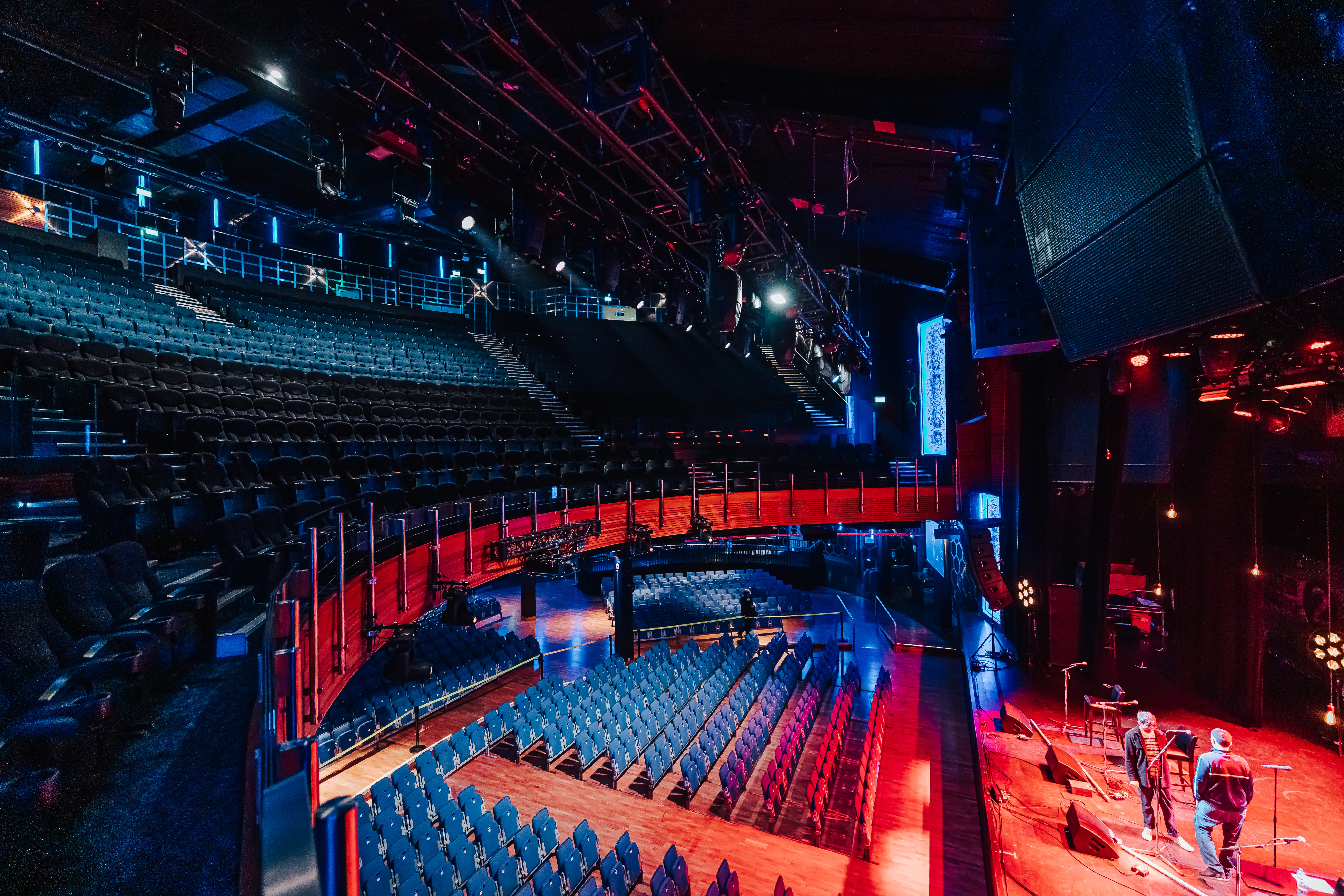
The steady list of Nigerian artists selling out the O2 Indigo is becoming more than just a series of individual achievements. It is now a clear marker of how Afrobeats — and African music at large — has grown into a consistent global force with real ticket-selling power.
Over the years, a wide range of artists have reached this milestone. As recently as 2026, FOLA joined the list following a sold-out show this past weekend, while Ruger achieved the same in 2025. Seyi Vibez stands out for doing it across 2023 and 2024, reinforcing his strong connection with UK audiences. Before that, BNXN sold out the venue in 2022, with Zlatan doing so in 2021.
Looking back further, the earlier wave includes Mayorkun and Kizz Daniel in 2019, as well as Tiwa Savage and Adekunle Gold in 2018. Many of those early shows were driven by SMADE, whose role in building the live events infrastructure for Afrobeats in the UK cannot be overlooked.
Taken together, these moments highlight a broader shift. Selling out O2 Indigo is no longer a rare or isolated milestone; it is becoming a recurring benchmark that reflects depth within the Nigerian music industry. What was once limited to a handful of breakthrough acts is now being achieved across multiple generations of artists, from established names to emerging voices.
More importantly, it signals that Afrobeats has moved beyond streaming success into real-world demand. These sold-out shows demonstrate that audiences are willing to show up physically, buy tickets and engage with African artists at scale in international markets. The O2 Indigo, as part of the wider The O2 Arena ecosystem, represents a mainstream space, and consistent sell-outs within it show that Nigerian artists are no longer operating on the margins.
There is also a symbolic weight to these achievements. For years, African artists were often positioned as support acts or niche performers in global markets. Now, they are headlining, filling venues and building their own touring circuits. Each sold-out show contributes to shifting perception, reinforcing the idea that African music is not just globally relevant, but commercially viable.
The progression from the 2018–2019 wave to the current crop of artists also shows how the ecosystem has matured. Early groundwork from promoters, diaspora audiences and pioneering acts created a foundation that newer artists are now building on. The result is a pipeline where international success is no longer exceptional, but increasingly attainable.
As more artists continue to sell out venues like O2 Indigo, the implications extend beyond Nigeria. It opens doors for African artists across the continent, proving that there is a structured pathway into global live markets. In that sense, these milestones are not just wins for individual artists, but indicators of a wider cultural and economic shift for African music on the world stage.
Comments
Join the conversation. New comments appear after a quick review.
Loading comments…